SCAR (2020) – An Iranian Short Film by Pazhoohan Parastar About Love, Heartbreak, and Emotional Scars
SCAR (زخم) is a 2020 Iranian short film written and directed by Pazhoohan Parastar, exploring the irreversible consequences of emotional harm through minimalist storytelling and powerful visual symbolism.
With a runtime of just two minutes and no spoken dialogue, SCAR delivers a thought-provoking cinematic experience about love, regret, broken trust, and the emotional wounds that cannot always be healed.
Produced by Pazhoohan Parastar and Danial Ghelichpour, the film represents an approach to independent Iranian cinema in which visual metaphors communicate complex human emotions without relying on conventional dialogue.
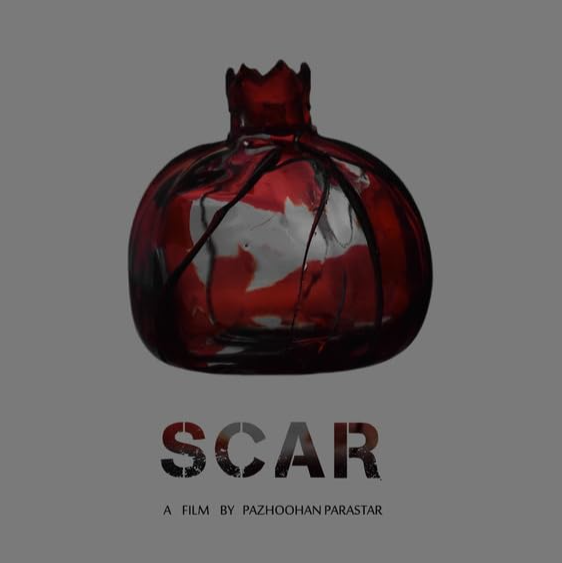
SCAR Short Film – Story and Synopsis
At the heart of SCAR lies a seemingly simple yet deeply emotional situation.
A man breaks a woman’s heart through a careless action, believing that the damage he has caused can eventually be repaired. As he attempts to reverse the consequences of his behavior, he gradually confronts an uncomfortable truth: not every emotional wound can be healed, and some fractures remain even after attempts at reconciliation.
The film examines the lasting consequences of human actions and the fragile nature of emotional relationships.
Rather than offering an easy resolution, SCAR invites viewers to reflect on the difference between forgiveness and healing, and on the permanent marks that emotional damage can leave behind.
Through its symbolic narrative, the short film raises a universal question: Can a broken heart ever truly return to its original state?
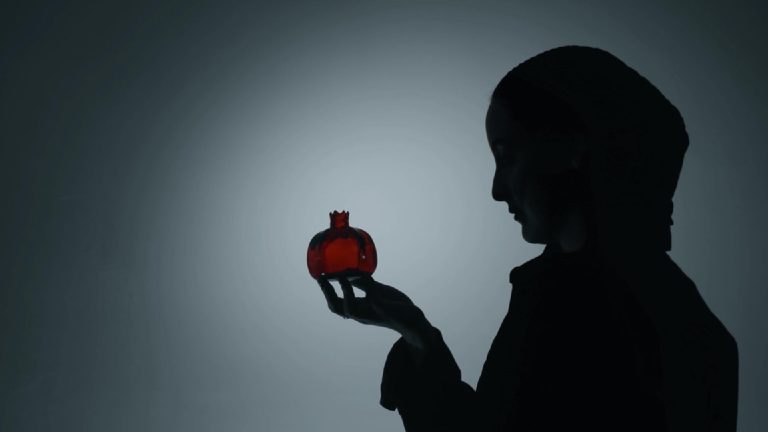
A Dialogue-Free Short Film About Emotional Damage
One of the defining characteristics of SCAR is its complete absence of dialogue.
Instead of relying on spoken explanations, director Pazhoohan Parastar uses visual storytelling to communicate emotional conflict, regret, and the consequences of human behavior.
This artistic approach allows the film to communicate beyond linguistic and cultural boundaries.
The absence of dialogue also places greater emphasis on the relationship between imagery, symbolism, and audience interpretation.
SCAR demonstrates how a minimalist short film can address complicated psychological and emotional themes within an exceptionally limited runtime.
The Symbolism Behind the Title SCAR
The title SCAR refers to the lasting evidence of a wound, even after its immediate pain has diminished.
Within the film’s narrative, the scar becomes a metaphor for emotional experiences that permanently alter human relationships.
The central idea is not simply that people hurt one another, but that certain actions create consequences that cannot be completely undone.
Through this metaphor, SCAR explores several interconnected themes:
The fragility of love and emotional trust
The consequences of careless behavior
Regret and the desire to repair past mistakes
The difference between forgiveness and complete recovery
The lasting psychological impact of emotional wounds
The irreversible nature of certain human experiences
These themes give the film relevance beyond its immediate narrative and encourage personal reflection.
Pazhoohan Parastar – Director, Writer, and Producer of SCAR
Pazhoohan Parastar is an Iranian filmmaker, screenwriter, and producer whose creative work emphasizes minimalist storytelling, symbolic imagery, and universal human experiences.
Parastar began writing stories during adolescence and completed his first screenplay at the age of fifteen.
Alongside studying Architectural Engineering at university, he pursued screenwriting and film directing, developing an artistic approach that combines structured visual composition with philosophical and emotional storytelling.
In 2016, he became an official member of the Iranian House of Cinema.
His longstanding creative collaboration with filmmaker Danial Ghelichpour eventually led to the establishment of ZHONAR Studio, an independent creative production studio.
ZHONAR Studio has produced more than fifty artistic and commercial short films, with several projects receiving recognition at international film festivals.
Parastar’s filmmaking philosophy frequently centers on the belief that silence can function as a universal cinematic language.
His short films often take place in minimalist or surreal environments, where symbolic actions and carefully constructed visual situations replace conventional exposition.
Rather than providing definitive answers, his films encourage audiences to develop their own interpretations of ethical, psychological, and social questions.
Explore the director’s filmography and professional credits on Pazhoohan Parastar’s IMDb profile.
SCAR (2020) – International Film Festival Recognition
SCAR has received recognition through international film festival participation, reflecting its ability to communicate a universal emotional subject through concise visual storytelling.
Asian Cinematography Awards – Semi-Finalist
SCAR was recognized as a Semi-Finalist at the Asian Cinematography Awards (ACA), an international film competition associated with Warsaw, Poland.
The recognition highlights the film’s participation in the international independent filmmaking circuit.
Grace International Film Festival – Official Selection
SCAR was also listed as an Official Selection at the Grace International Film Festival, adding to its international festival credentials.
These festival achievements form part of Pazhoohan Parastar’s broader body of recognized short-film work.
Where to Discover SCAR (2020)
Audiences, film enthusiasts, festival programmers, and independent cinema researchers can explore the official film information, synopsis, production details, and festival history through its FilmFreeway project page.
Visit the official SCAR short film page on FilmFreeway to discover more about the production and its creative team.
The film’s IMDb listing also provides a reference for its cinematic credits and filmography.